Is the end for Uber? Tesla's We Robot Event Brings Lots Of Changes
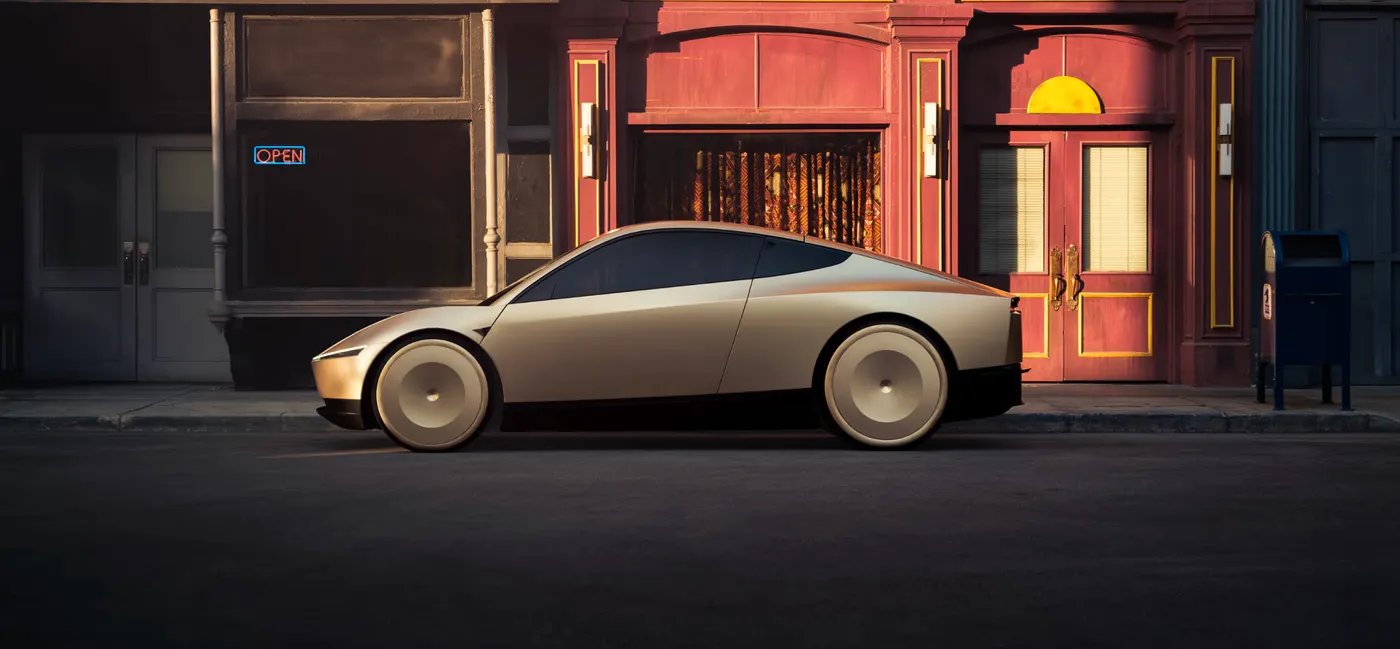
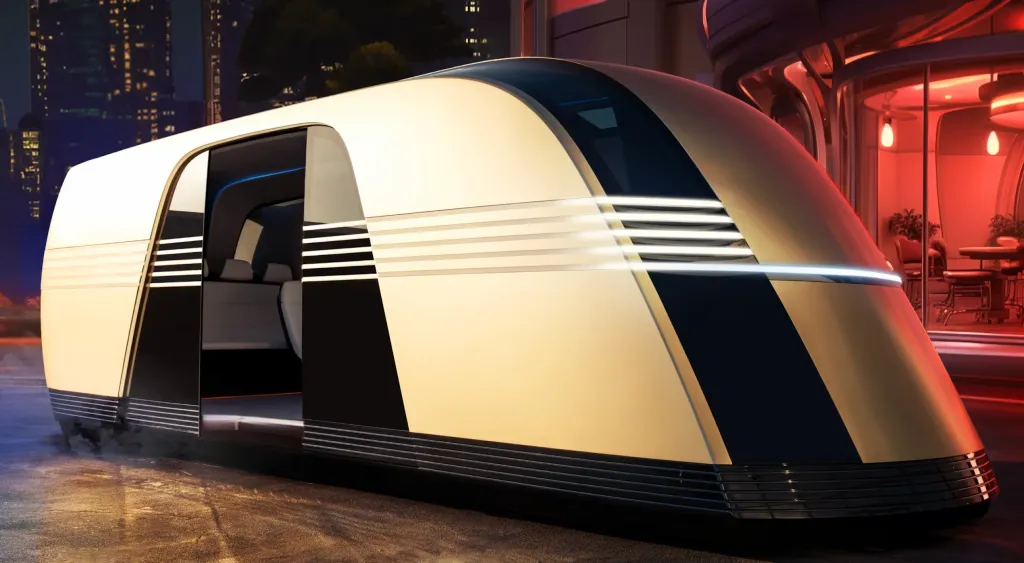
Tesla recently hosted its “We, Robot” event, unveiling some groundbreaking advancements in autonomous technology. The star of the show? The Cybercab—a fully self-driving, two-seat vehicle with futuristic butterfly doors, expected to cost under $30,000 and operate at just 20 cents per mile. Tesla also introduced the RoboVan, a vehicle designed to transport up to 20 people or goods, perfect for public or school transportation. And to top it all off, their humanoid robot, Optimus, made an appearance, showcasing the company’s ambitious leap into robotics.
But beyond the excitement, these innovations could have a profound impact on companies like Uber, which dominates the ride-hailing space. Here’s a breakdown of how Tesla’s advancements could affect Uber’s business model in the near future.
1. A New Era of Competition: Autonomous Ride-Hailing
Uber has long relied on human drivers to power its ride-hailing platform. While they’ve made some moves toward autonomous vehicles, Tesla’s Cybercab takes the concept to the next level. With the promise of full self-driving technology by 2025, Tesla aims to offer rides that cost a mere 20 cents per mile. Compare that to Uber’s human-driven model, which is significantly more expensive due to driver fees, insurance, and other operational costs.
If Tesla is able to mass-produce the Cybercab at the projected price point, it could disrupt Uber's business by offering a cheaper, faster, and fully autonomous alternative. Why wait for an Uber when you could hail a Cybercab that’s always ready, with no driver required? Uber will need to react quickly to remain competitive in an increasingly autonomous transportation market.
2. Cost Efficiency and Fleet Ownership
One of Tesla’s key advantages is cost efficiency. With a price tag under $30,000 for the Cybercab, building fleets of autonomous vehicles becomes more accessible to businesses and even individuals. Imagine a world where someone can buy a Tesla Cybercab and run their own ride-hailing service at a fraction of the cost Uber currently spends on human drivers.
Uber, by comparison, faces higher operational costs due to its driver-based system. While the company does share revenue with drivers, the overhead involved in coordinating a global network of drivers adds up. Tesla's model, with cheaper and more efficient autonomous vehicles, could force Uber to rethink its entire approach.
3. Tesla's RoboVan: A Threat to Uber’s Expansion into Public Transport
Tesla also introduced the RoboVan, capable of transporting up to 20 people or goods. This could pose a direct challenge to Uber’s growing efforts in public transport and goods delivery. Uber has been expanding its reach with services like Uber Bus and Uber Freight, aiming to become more than just a ride-hailing platform.
However, Tesla's RoboVan could disrupt this expansion. The RoboVan’s autonomous capabilities make it an attractive option for schools, public transit systems, and logistics companies looking to reduce costs and boost efficiency. By the time Uber fully enters these markets, Tesla may already be dominating them with its cutting-edge, driverless technology.
4. Tesla's Full Self-Driving: A Pressure Point for Uber
While Uber has made strides in autonomous technology, Tesla's aggressive push toward Full Self-Driving (FSD) by 2025 could leave Uber scrambling to catch up. Tesla’s self-driving vehicles are designed to function without human supervision—a key milestone that Uber has yet to achieve on a large scale.
This poses a huge threat to Uber. If Tesla succeeds in delivering on its promise, they could revolutionize how transportation is managed, leaving Uber behind if they don’t significantly accelerate their own autonomous development. Uber has invested heavily in AI and autonomous vehicles, but Tesla’s rapid advancements could overshadow those efforts.
5. The Role of Robotics in Transportation
While Tesla's humanoid robot, Optimus, was a fascinating side feature of the event, it also hints at a future where robotics might play an increasing role in industries like transportation and logistics. Although still in early stages, robots like Optimus could eventually be integrated into the workforce, further cutting operational costs for businesses like Tesla.
For Uber, this could mean additional competition from an entirely new front. As Tesla blends AI, robotics, and self-driving technology, Uber may need to explore similar innovations to stay relevant in a rapidly evolving market.
Conclusion: Can Uber Adapt?
Tesla's “We, Robot” event showcased more than just cool tech—it offered a glimpse into the future of transportation. With autonomous vehicles like the Cybercab and RoboVan, Tesla is poised to transform the ride-hailing, public transport, and logistics industries. And while Uber is no stranger to competition, Tesla’s advancements in cost-efficient, autonomous technology could seriously challenge Uber's dominance.
The big question now is: Can Uber adapt quickly enough? As Tesla continues to push the boundaries of what’s possible, Uber may need to accelerate its efforts in autonomous vehicles and explore new ways to stay competitive in a tech-driven future.
Whether you're an investor, a tech enthusiast, or just curious about the future of transportation, it’s clear that the next few years will be crucial for companies like Uber. As autonomous technology becomes more advanced and affordable, the entire landscape of mobility could be turned on its head.
Stay tuned—the race to the future of ride-hailing has just begun.
More from the blog
Do Employers Care If You Use a Temporary Phone Number?
If you're job hunting and thinking about using a temporary phone number, one worry usually comes up first: will an employer notice — and if they do, will it hurt my chances?The short answer: most employers don't care whether your number is "temporary," as long as it's a real, working number they can reach you on. What actually matters to them is that they can call, text, and connect with you reliably. Let's break down what employers really look at, when a temporary number is completely fine, and
Read article
Best Temporary Number Services for Online Marketplaces and Apps
Buying, selling, and signing up online almost always means sharing your phone number. Whether you're listing furniture on Facebook Marketplace, meeting a buyer from Craigslist, or verifying a new app account, that number gets passed to strangers you'll likely never deal with again.The problem? Once your real number is out there, you can't control who calls, texts, or resells it. That's exactly why temporary number services have become essential for anyone active on online marketplaces and apps.
Read article
How to Get a Temporary Phone Number for Job Applications
Job hunting means handing your phone number to recruiters, application portals, and companies you've never worked with before. Once it's out there, you can't take it back — and if you're applying to dozens of roles, that's a lot of unknown callers, spam texts, and unwanted follow-ups landing on your personal line.A temporary phone number for job applications solves this. It gives you a dedicated, disposable number that keeps your real one private while you search. Here's how to set one up and wh
Read article